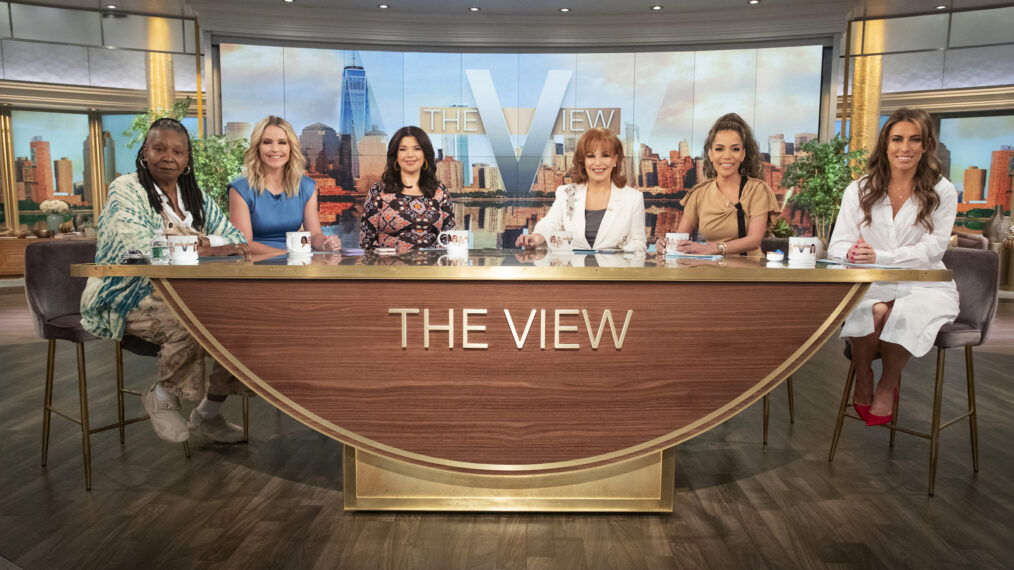
The hosts of the well-known daytime talk show “The View” have been charged with a felony by country music legend Carrie Underwood, which is surprising. According to the laws, which have shocked the business, Underwood dema¿d its immediate stock since the show purposefully misrepresented facts and spread misleading information.

Uderwood is a popular figure in the music industry, known for her strong voice and hits that have reached the top of the charts. But her current push for legal action has come under fire and sparked discussions about the media’s obligation to disseminate facts. She claims that the hosts of “The View” have damaged her reputation and misled viewers by making false claims about her personal life and career.
After her regulations were approved, U. Underwood stated in a news conference that “this is a show that lies to its viewers.” As a public figure, I’ve come to understand that there’s a line that shouldn’t be crossed, but that scrawny is a necessary part of the job. False narratives being propagated under my name, and I warn that disinformation can have severe repercussions.

According to the case, U.D. Woods claims that the hosts made inaccurate comments about her in a number of specific incidents, including her relationships and career choices. Uderwood’s legal team claims that these remarks not only mislead her but also feed a wider media misinformation campaign.
Since its launch in 1997, “The View,” which is well-known for its lively discos and diverse points of view, has been a staple of daytime television. The program has, however, previously come under fire for its erroneous reporting and treatment of delicate themes. The laws of Underwood might serve as a template for how public leaders respond to media misrepresentation and perceived laziness.
The laws it disseminates have elicited mixed responses from fans and other celebrities. Uderwood has been commended by some for her bravery in confronting what she perceives to be injustice. Others, however, have voiced worries about the consequences of speech regulations and the freedom of expression provided by chat shows like “The View.”
According to legal experts, Underwood’s case might face major challenges, especially if it can be shown that the hosts’ claims were not only false but also made with malice. However, the rules have raised questions regarding media celebrities’ moral responsibilities and how their remarks affect public opinion.
The situation’s effects on “The View” and its hosts, as well as the broader media accessibility landscape, are still unknown. Rather than merely fighting for her representation, Uderwood sees her legal battle as a protest against what she believes to be a pervasive issue in the media landscape.
All eyes will be on the courtroom as this high-profile case develops over the coming weeks, which might alter the relationship between celebrities and the media that covers them.