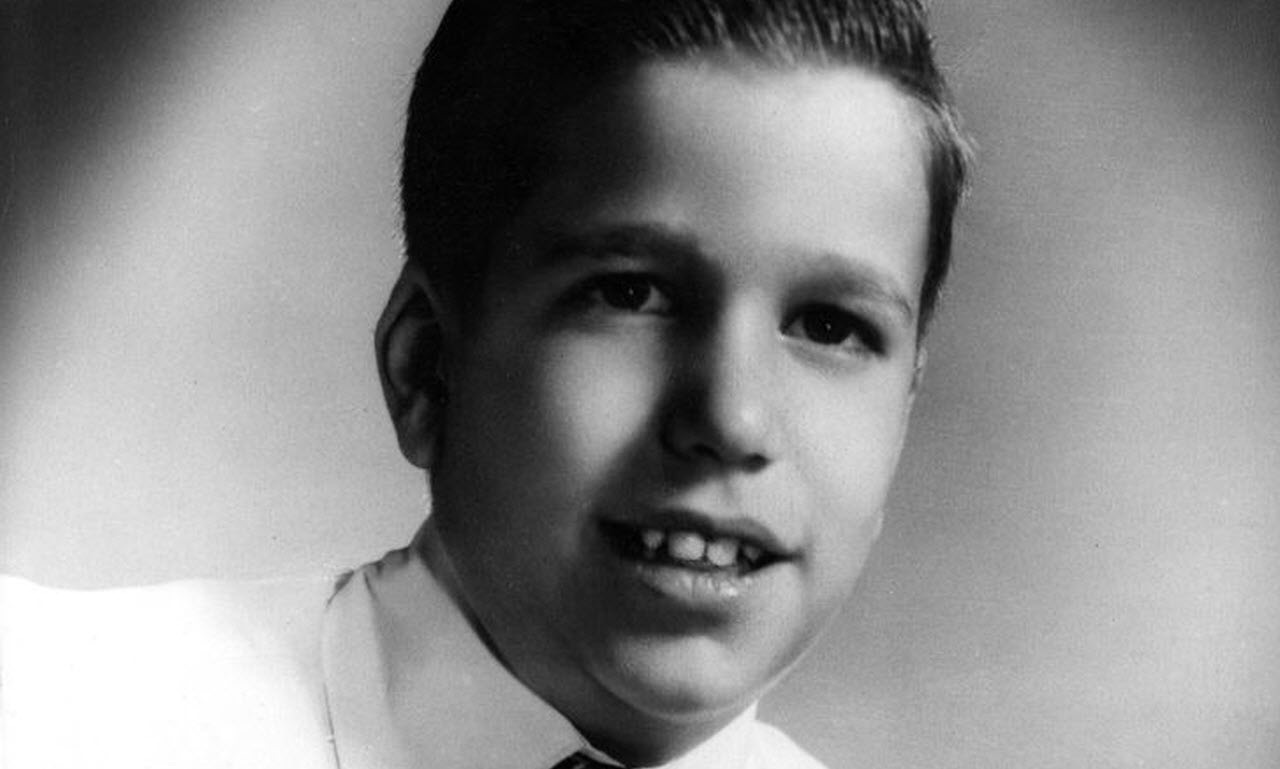
Before he became one of television’s most beloved personalities, Henry Winkler endured a childhood filled with criticism, misunderstanding, and self-doubt.
Born in New York to Jewish parents who had escaped Nazi Germany, Winkler grew up in a family that placed enormous importance on academic achievement. However, he struggled in school because of undiagnosed dyslexia. Instead of recognizing that he was dealing with a learning difference, his parents assumed he simply wasn’t trying hard enough.
They reportedly called him names such as “dumb” and even used the German insult “Dummo Hund,” meaning “dumb dog.” Teachers and classmates also made him feel inadequate, leaving Winkler with the painful belief that he wasn’t intelligent enough to succeed.

But despite those early experiences, Winkler refused to give up on his dreams.
He applied to 28 colleges and was accepted by only a couple. Eventually, however, he earned a place at the prestigious Yale School of Drama, proving that the limitations others had placed on him were never a true reflection of his abilities.
His big break came when he was cast as Arthur “Fonzie” Fonzarelli on Happy Days. With his leather jacket, confident attitude, and unforgettable catchphrases, Fonzie quickly became one of television’s most popular characters.
Ironically, while millions saw Fonzie as the ultimate symbol of confidence, Winkler was privately dealing with difficulties caused by dyslexia. Reading scripts and memorizing lines could be challenging, so he developed his own methods to prepare for roles. He often memorized his dialogue carefully and focused on understanding the personality and emotions of the character.

Winkler also refused to let Hollywood define him by one successful role. He reportedly turned down the lead in Grease because he didn’t want to become permanently associated with the same type of character.
Years later, his understanding of dyslexia became much clearer. When his stepson underwent testing as an adult and was diagnosed with dyslexia, Winkler recognized many of the same struggles he had experienced throughout his own childhood.
That realization helped him understand that what others had once labeled as a weakness had never meant he was unintelligent.
After Happy Days, Winkler continued building an impressive career across television and film. He took on dramatically different roles, worked as a producer, and became involved with the development of the television series MacGyver.
He also became an outspoken advocate for children with learning differences, using his own experiences to encourage young people who struggle academically.
The boy who had once been told he was “dumb” eventually became an Emmy Award-winning actor, bestselling author, producer, and beloved Hollywood figure.
Henry Winkler’s journey is a powerful reminder that struggling in school doesn’t mean someone lacks intelligence or potential. Sometimes, the qualities that make a person different can become the very qualities that help them succeed.
From a misunderstood child who doubted himself to a television icon admired by millions, Winkler’s story proves that other people’s judgments don’t have to determine your future. 🌟❤️👏