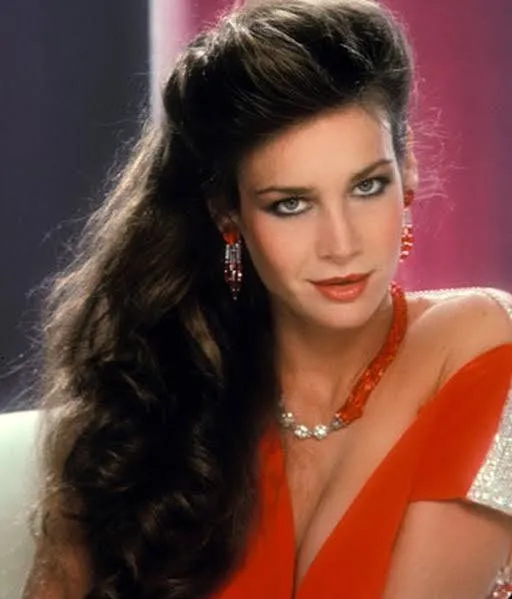
Some roles entertain. Others explode into cultural history. In the fall of 1980, one actress delivered a television moment so powerful it changed prime-time drama forever. Her name was Mary Crosby — and for a split second, audiences everywhere stopped breathing.
Long before she became forever linked to one of TV’s greatest cliffhangers, Crosby was born into a legacy few could ignore.
Born on September 14, 1959, in Los Angeles, she was the daughter of legendary entertainer Bing Crosby and actress Kathryn Grant. Show business surrounded her from childhood. But carrying a famous last name and building your own identity are not the same thing.
Mary chose to build her own.
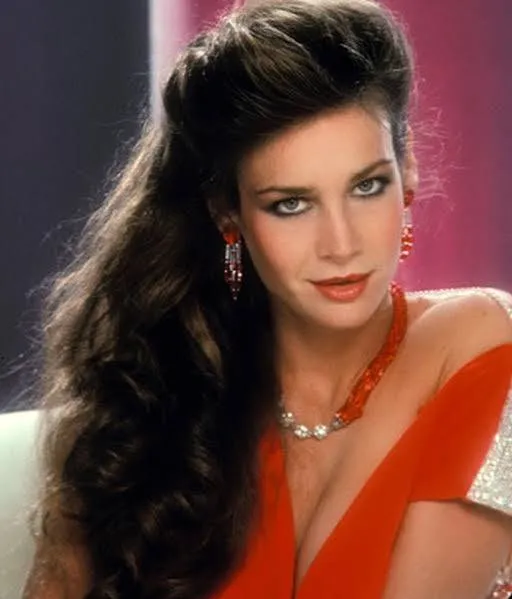
Academically gifted, she graduated high school at just 15 before studying theater arts at the University of Texas at Austin. She was determined to be recognized for her craft — not simply as “Bing Crosby’s daughter.”
Throughout the 1970s, she steadily built her career with appearances in hit shows like Starsky & Hutch, CHiPs, and Charlie’s Angels. Casting directors noticed her presence — poised, elegant, but edged with intensity.
Then came 1979.
When Crosby joined Dallas, the series was already a ratings powerhouse. She was cast as Kristin Shepard — ambitious, cunning, and emotionally volatile — the sister of Sue Ellen Ewing. Kristin wasn’t meant to fade into the background. She had fire.

But no one anticipated what was about to happen.
In March 1980, the Season 3 finale ended with oil tycoon J.R. Ewing shot by a mysterious attacker. The episode cut to black without revealing who pulled the trigger.
“Who Shot J.R.?” wasn’t just a storyline. It became a phenomenon.
For eight months, the world speculated. Newspapers ran theories. Office betting pools sprang up. T-shirts were printed. Even politicians joked about it. It was a rare cultural moment when millions shared the same unanswered question.
On November 21, 1980, over 83 million viewers tuned in for the reveal.
The shooter was Kristin Shepard.

Mary Crosby’s performance — fierce, conflicted, wounded — instantly secured her place in television history. The episode, titled “Who Done It?”, remains one of the highest-rated broadcasts ever.
But what made the moment unforgettable wasn’t just shock. Crosby gave Kristin dimension. She wasn’t a flat villain. She was driven by hurt, betrayal, and resentment. The character felt real — and that complexity made the twist resonate.
The danger of such a defining role is obvious: being trapped by it. Many actors never move beyond their most famous moment.
Crosby did.
She expanded her career with diverse projects, including the cult sci-fi film The Ice Pirates (1984), the glamorous miniseries Hollywood Wives (1985), and Stagecoach (1986) alongside Johnny Cash. She appeared in series like Murder, She Wrote, Hotel, and Beverly Hills, 90210, proving her versatility.
She was no longer just the answer to a pop culture riddle — she was a seasoned actress.


