
Known fondly as the “People’s Princess,” Princess Diana continues to be one of the most cherished figures of the 20th century.
Her public and private life continue to captivate the globe decades after her untimely death in 1997. Her grace, generosity, and humanitarian activities captivated millions of people.
She lived under continual press scrutiny, posed for thousands of shots, and endured the relentless attention of paparazzi who often crossed boundaries in their pursuit of exclusive images.
But even Diana, who is so graceful and calm, experienced anxiety about being in public at times. These instances illustrate her empathy and her knowledge of the delicate balance between personal disclosure and public interest.
One such occasion was a picture she labeled “no petticoat,” an apparently innocent shot that ended up catching more than she had anticipated and earning international attention.
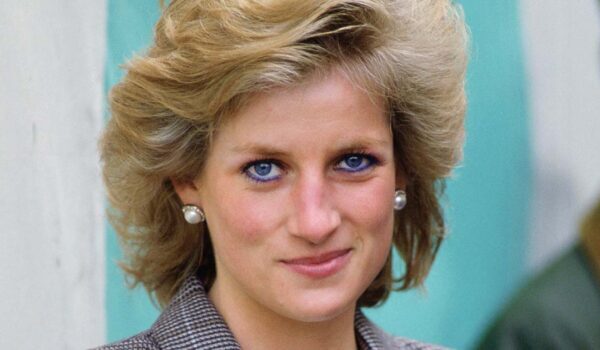
Princess Diana: The Princess of the People
Diana Frances Spencer was born in Sandringham, England, on July 1, 1961. Her family had deep ties to the British royalty. Her early years were defined by both affluence and emotional problems, such as her parents’ divorce and the eventual breakup of her family’s inheritance.
Notwithstanding these hurdles, Diana cultivated a compassionate disposition and a great sense of empathy that would come to characterize her work as a humanitarian and mother.
Diana was working as a nursery school teacher in London at the age of 19 when she first met Prince Charles in the late 1970s. Her generosity, charisma, and beauty rapidly captured the attention of the entire planet.
Whether she was talking with students in her classroom, patients in hospitals, or crowds of devoted fans abroad, she had an incredible ability for connecting with people.
Almost immediately after her marriage to Charles on July 29, 1981, Diana had earned global notoriety. Her wedding, which was broadcast on television to millions of viewers worldwide, cemented her status as a cultural icon.
But Diana struggled to strike a balance between her private tastes and the scrutiny of public life, particularly when she was married to the most well-known couple at the time.
The “No Petticoat” Photo: Iconic Visibility Meets Unpretentiousness
Before Diana became the Princess of Wales, one of the most talked-about and disputed photographs from her early years was recorded. When Diana was 19 years old and working as a nursery school teacher in London’s West End in 1980, she was recorded on camera by royal photographer Arthur Edwards.
Edwards was delighted to portray Diana in her natural environment, away from the royal opulence that would come to define her life, as he had just started working as a royal photographer for The Sun at the time.
After identifying Diana at the nursery school and working with the owner, Edwards set up a laid-back photo session with two toddlers at a neighboring park. The goal was straightforward: convey Diana’s openness and genuine charm in a common situation.
The photo shoot went off without a hitch. Diana smiled and interacted with the youngsters in a way that reflected her compassionate nature as she posed with them. Numerous images that would ultimately come to represent her early public life were captured by photographers, including Edwards and others who joined shortly after.
But as the sun moved across the sky, a startling element turned one of the photographs into a royally awkward moment.
Diana was astonished to see her legs underneath her skirt when the sunlight struck it. Innocent in intention but revealing in exposure, the resulting photograph rapidly emerged in newspapers and stirred debate both inside the royal family and among the general public.
Diana’s response to the picture was instructive. “I don’t want to be known as the girlfriend who had no petticoat,” she allegedly stated to Prince Charles.
This picture brought Diana’s existence in the public limelight to light because, despite her best attempts, she was continually being analyzed and interpreted.
The Function of Media and Photographers
Diana’s public identity was shaped in large part by photographers like Arthur Edwards. The event was unpredictable, according to Edwards, who went on to record seven royal births, four royal deaths, and seven royal weddings.
“Everyone doesn’t believe this, but it is the gospel truth – halfway through, the sun came out and revealed those beautiful legs,” Edwards noted, calling the final shot “iconic” and “an amazing silhouette.”
Even though it was accidently exposed, the picture ended up being one of the many that shaped Diana’s early public image.
Another seasoned royal photographer, Kent Gavin, underscored Diana’s understanding of her duty. Gavin said, “There were, at times, some fractious moments, particularly with the holidays with the boys, but she understood that myself and the other guys on the newspapers had a job to do – she knew very much the difference between the paparazzi and the staff guys.”
Diana’s Childhood and Obstacles in the Public Eye
Although Diana was hailed for her beauty and grace, her early years in the royal spotlight were not without problems. From the outset of their 1981 marriage, she had troubles with Prince Charles.
The little princess was under a tremendous lot of stress thanks to Charles’ continuous relationship with Camilla Parker Bowles and the renowned “Tampongate” issue.
Despite her personal hardships, Diana persisted in establishing her public character, balancing the responsibilities of monarchy with her own wish to form sincere relationships with people.
Throughout her life, Diana remained dedicated to humanitarian causes, working with HIV/AIDS patients, children, and the homeless. Millions of people throughout the world came to respect and love her, and her influence extended beyond her immediate family and royal duties.
The Positive Aspect: Diana’s Jovial Attitude
Beyond her famed appearances and public presence, Diana also possessed a lighter and amusing side that isn’t frequently emphasized.
Two greeting cards that Diana wrote to the former Greek king Constantine II were put up for auction in May 2024, displaying a mischievous part of her nature. Her sense of fun and irreverence outside of her official royal duties was displayed by the sexual innuendo and playful jokes on these cards.
One card said, “Adam came first… Men always do! It displayed a naked man lounging on a tree. A humorous message about “the perfect man” and a naked woman appeared on another card.
Diana signed both cards with the words, “Dearest Tino, lots of love from Diana,” demonstrating her ability to maintain connections and inject humor into her private correspondence.
Diana’s Heritage Through Harry and William
Beyond her lifetime, Princess Diana continues to have an impact, especially through her sons, Prince William and Prince Harry. Their mother’s altruistic initiatives and attention to humanitarian concerns have acted as an inspiration to both of them.
By creating the Earthshot Prize, an annual award given to individuals and organizations that have made significant contributions to environmental sustainability and preservation, 41-year-old Prince William has continued Diana’s environmental legacy.
His recent excursions to the US, which included meetings with average people in New York, demonstrate his desire to building personal relationships and carrying on Diana’s legacy of public involvement.
Prince Harry responded by founding the Invictus Games, an international sporting event for wounded and recovering military personnel. The games reflect Diana’s dedication to uplifting, healing, and standing up for underprivileged people.
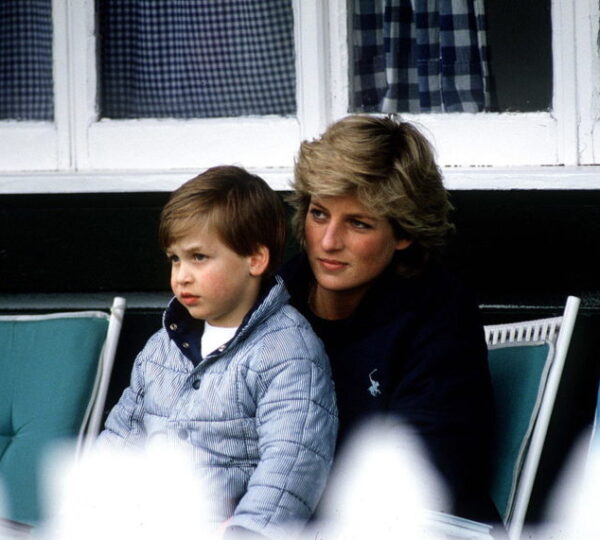
According to royal historian Jennie Bond, Diana and her son William have a connection: “He has his mother’s easy charm.” He seems to be enjoying his job, and the Earthshot Prize suggests that he is dedicated to using his position to effect meaningful change. Diana’s impact may still be seen in William’s art, which mixes worldwide effect with compassion.
The Effects of Diana’s Public Life Over Time
Although Princess Diana earned a significant lot of media attention throughout her lifetime, her humanity, empathy, and willingness to connection are what made her legacy enduring.
Images such as the “no petticoat” photo demonstrate the obstacles she endured and her capacity for coolness in the face of criticism.
Letters and private correspondence demonstrate her intelligence, wit, and humor. Furthermore, Diana’s influence lingers long after she goes away because to her sons’ continued charity initiatives.
Diana’s legacy is preserved through a wealth of images, records, and first-person testimonies from those who knew her. These images, which span from official royal photos to impromptu shots taken at parks and schools, illustrate her warmth, vitality, and unwavering dedication to those she loved.
Decades after her death, Diana is still admired as a fashion icon, philanthropist, and devoted mother. Her life serves as a reminder of the hardships of public life, the necessity of empathy, and the enduring power of moral character.
Conclusion: The Princess of the Enduring People
Princess Diana was and continues to be one of the most important figures in modern history. Millions of people were moved by her grace, beauty, and passion to helping others, and her own sufferings made her immensely relatable.
The “no petticoat” photo and other personal tales depict a woman who is cognizant of her public character yet is driven to being real.
Diana’s legacy lives on through her charity initiatives, her kids, William and Harry, and her permanent presence in public consciousness.
Her life is a reminder that true influence comes from kindness, courage, and the ability to relate to others, not from titles or fame.
As William and Harry continue her vision and the world continues to honor her story, it is clear that the People’s Princess endures—not only in photographs and archives but also in the hearts of millions of people around the globe. Princess Diana passed away too young, yet her effect is incalculable, her legacy is forever, and her tale is immortal.