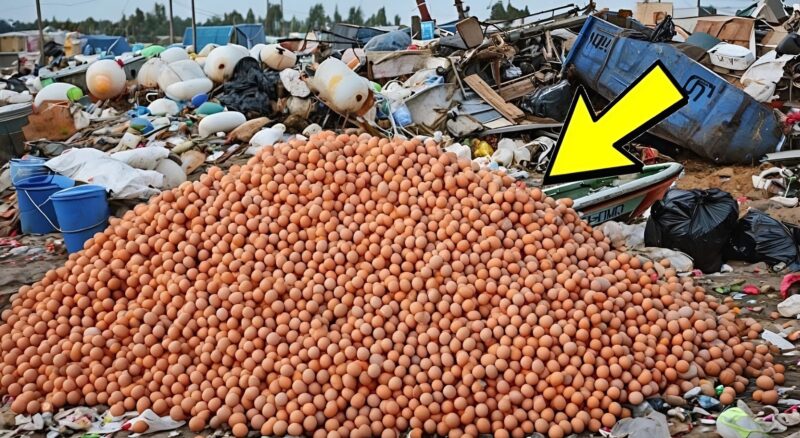
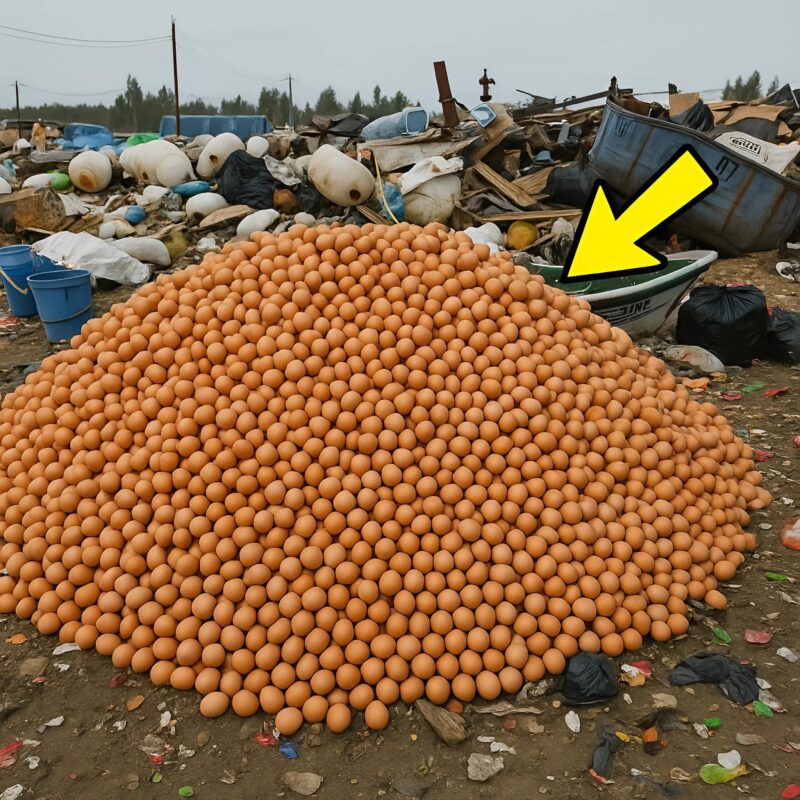
In the spring, a fairly ordinary incident occurred in the city. The health check resulted in the removal of about 20,000 chicken eggs from retail locations.
Most of them were deemed unsuitable because they were dirty, cracked, or expired. At the city landfill, they were all trapped behind a barbed-wire fence.
Like any other trash, the egg cartons were dumped by trucks. After a few days, the boxes themselves broke apart in the rain, some were lost among the other debris, and some were pecked at by birds.
The residents quickly forgot about it.
However, three months later, something unexpected happened.
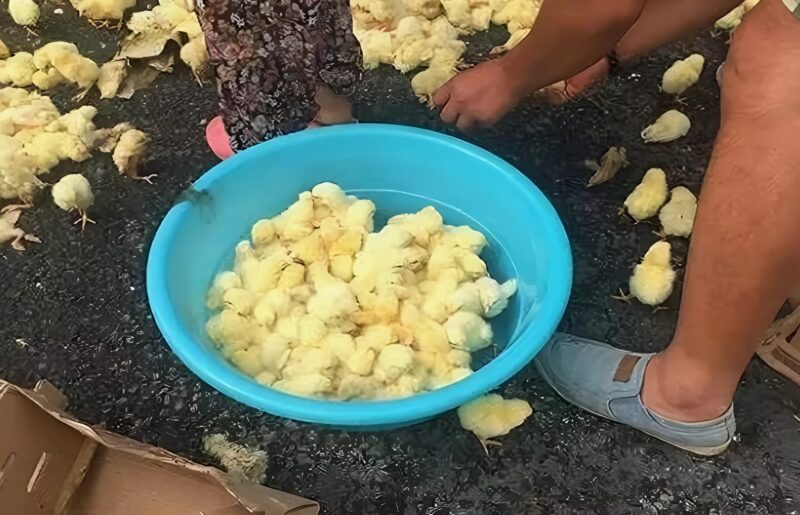
Early in the morning, the landfill caretaker noticed that the birds were not landing on the organic rubbish pile as frequently as they usually did. He arrived — and paused. Something was moving inside the garbage mountain.
Thousands of tiny yellow fluff balls encircled the rotten potatoes and empty yogurt containers. Small, active, and squeaky. Ladies. They were many.
They were discovered between tires, under plastic bottles, and in the cracks of old furniture. How were they able to pass it? How did they hatch without a hen, an incubator, or anything else?
The word went through the city at an incredible pace. Tourists came to see the “miracle.” It didn’t make sense, and scientists couldn’t comprehend it. There were no conditions to hatch in the landfill, especially after all this time.

Locals began calling them “chicks” out of the blue.
While some did so out of superstition, others did it out of sympathy for the girls.
Residents of the city could see that these were more than just girls, but official agencies could not explain it. A miracle was made among the trash.


