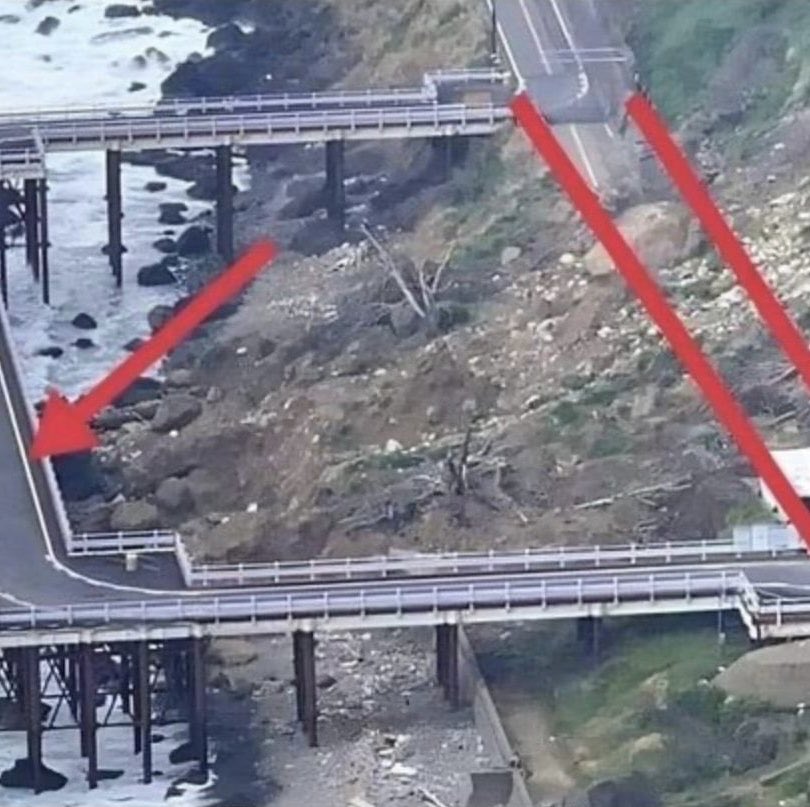
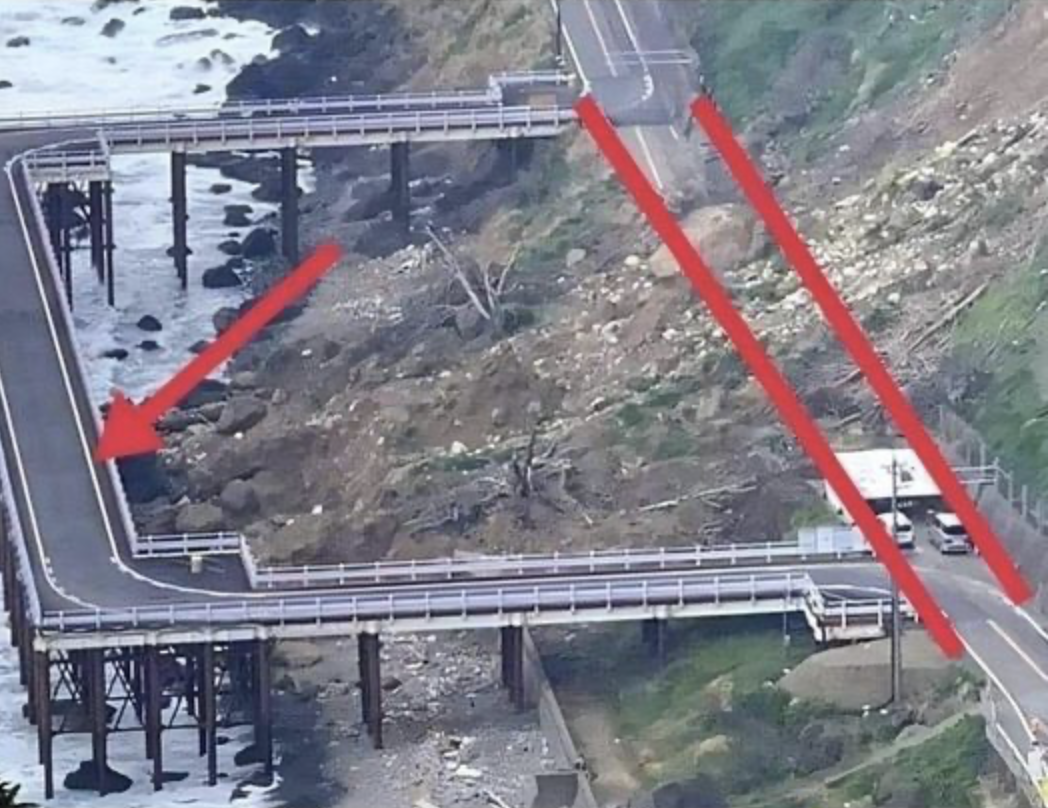
See a bridge that doesn’t go in a straight line? You might wonder why the designers chose a bent or angled shape. Wouldn’t a straight bridge work better and be easier to build? That some bridges go in a different direction is for a good reason, and the planning of bridges is not done for no reason. Let’s look at why bridge builders use curves and how they keep people safe from landslides and other natural disasters.
Designing a bridge is important for more than just how it looks.
At first glance, a bent bridge might look like a choice made to make it look better. The most important things are functionality and safety, but looks may also matter. Some of the things that engineers look at are the site’s geography, the risk to the environment, and the structure’s strength. Many times, a bridge that is curved or angled may last longer, damage the environment less, and be better able to handle natural pressures.
One of the main goals of curved bridge designs is to stop collapses. But what does the way a bridge is built have to do with landslides? Also, why would builders choose to build a bridge in a straight line? Let’s break it down.
How landslides change the way bridges are built.
Landslides are a natural disaster that can do a lot of damage to infrastructure. In places that are prone to landslides, straight bridge designs might not be the best choice. A landslide could put a lot of stress on a bridge, and if it hits the building at the wrong angle, it could be a terrible accident.
Engineers can make bridges that are more resistant to landslides by using angles and shapes. Curved bridges are better in places where floods are common because they:
Changing the path of power: A curved bridge can help keep the force of a collapse away from the building. Instead of hitting a straight line and potentially bringing the bridge down, the force can be spread out along a curve, which lowers the pressure on the bridge.
Avoid going through dangerous areas. Straight roads may go through places where landslides are likely to happen. Engineers can steer the bridge over these trouble spots by making it curve. This puts the building on more stable ground and lowers the risk of landslides.
Better Weight Distribution: Because the load is spread out over more than one place, curved bridges can survive sudden landslides. This new form makes the structure more stable by putting less stress on each part of it.
Curved bridges and natural terrain can help you make the most of the landscape.
Engineers often build curved bridges so that they can follow the natural curves of the ground. This method has many advantages, such as reducing the damage the bridge does to the environment and blending it in with the natural flow of the land. The following are some benefits of making the bridge fit in with its surroundings:
Protecting the Environment: Less digging is needed to build a bridge that fits into the natural landscape. Heavy digging could hurt species nearby. Curving bridges that cross slopes or hills help protect wildlife and keep the area’s natural beauty.
For straight roads, big changes to the land may be needed, which could make erosion worse over time. On the other hand, curved bridges might be able to adapt to the way the land is naturally shaped, so the ground doesn’t have to be changed and weathering problems aren’t as common.
Better Stability: Building a bridge on stable, unmoved ground is safer and saves money. Curved bridges help builders make a safer base for structures by staying away from unstable ground that could cause landslides.
Why curved bridge designs are good for engineers
Using curved bridge designs has many benefits for engineering. They make the building stronger and last longer, protect against landslides, and are better for the environment. In some situations, bent bridges are better than straight ones because of how they are built.
1. A better spread of the load.
When bridges are curved, the weight is spread out more evenly across the frame. In contrast to straight bridges, which put all the pressure in one place, a bent shape spreads the weight out and lowers the stress in any one area. This load division is very helpful for long bridges because it makes them more stable and slows down their wear and tear over time.
2. The building can be changed more easily
By using curved bridges, engineers can change their plans to fit the limited area. In rocky areas or cities with lots of people, a straight bridge might not be possible because of room issues or the presence of other structures. Curved bridges can get around obstacles and fit into small areas. They are also safe and useful.
3. Made the structure stronger
Curved shapes often hold up better against shocks and waves in places that are prone to earthquakes, high winds, and a lot of traffic. The bridge might be less likely to be damaged by outside forces because the curve can take in and release energy more effectively than a straight structure.
Real-life examples of bridges that curve.
There are many impressive bridges around the world that show how useful bent design can be. Here are some examples.
In Virginia, USA, the 17.6-mile Chesapeake Bay Bridge-Tunnel has many turns to get around dangerous rocks and strong currents. The way it was built makes crossing the bay safer and more protected.
This bridge in France is one of the longest in the world. It makes a gentle turn to follow the valley below. In addition to making it look better, this lessens its impact on the environment.
China’s Shibanpo Yangtze River Bridge: The curve of this bridge keeps weak spots along the riverbank from becoming floods. This plan also makes it possible for the bridge to cross the rough Yangtze River Valley terrain.
Finding a Balance Between New Ideas and Safety in the Design of Future Bridges
Engineers think that bridge designs will get stronger and more adaptable as new materials and building methods are found. Curved bridges are becoming more popular because engineers are moving toward designs that are more durable, safe, and good for the environment.
In the future, we might see even more advanced bridge designs that use smart technology to predict landslides, check the strength of the structure, and automatically adapt to changing circumstances. For now, though, the bent bridge is a reminder of how creative we are and how well we can build things that fit in with their natural surroundings.
Finally, the secret genius of curved bridges
Even though a straight bridge might seem like the best choice, curved bridges are often better, especially in places where collapses are common. These innovations make travel safer for future generations and are also good for the environment. If you ever drive by a bent bridge, stop and think about how much skill and planning went into making it. It’s not just a way to get around; it’s a work of engineering that can stand up to the power of nature.