
Because there are certain seemingly harmless occurrences that could be signals of cancer, events that occur in your legs shouldn’t be regarded as symptoms of the disease. According to Cancer Research UK, “there are more than 385,000 new cancer cases in the UK every year,” or more than 1,000 every day. It’s never too early to investigate symptoms as potential warning flags if they appear unusual to you. If these symptoms come on suddenly, don’t wait to get help because they may indicate pancreatic cancer.
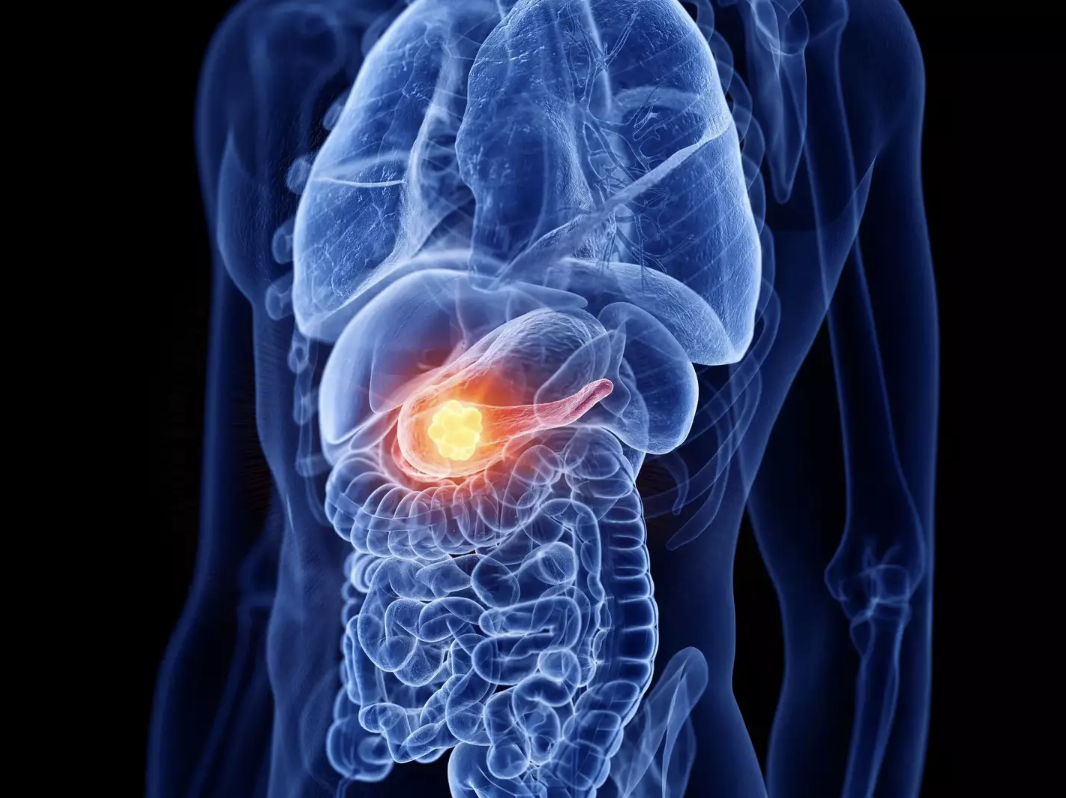
According to the NHS, pancreatic cancer can arise in the pancreas, which is located in the upper portion of the stomach. The pancreas helps break down meals and produces insulin. Jaundice, or the yellowing of the skin and whites of the eyes, is a sign of pancreatic cancer, according to the NHS. You may also experience itching skin, darker urine, or lighter feces. You may lose your appetite and weight without even trying, and you may feel exhausted and have little to no energy. Additional symptoms include feeling hot or sick, or having a high temperature. Additionally, you can experience changes in your bowel motions in general, constipation or diarrhea due to fluctuations in your digestion, or an overall feeling of being unwell. Whether you are eating or sleeping, you may experience discomfort in your upper abdomen and back. According to Dr. Santhi Swaroop Vege of the Mayo Clinic, early detection is essential due to the modest symptoms of pancreatic cancer, which is still a major cause of death. He told News Network, “That’s one of our biggest challenges.” Before a CT scan is considered, these individuals usually have indigestion and acid reflux.

Deep vein thrombosis (DVT) may be one of the earliest indications of pancreatic cancer. These days, DVT is a blood clot that is notoriously hard to cure and necessitates blood thinners.
What warning signs should you watch out for?
Pancreatic cancer exacerbates the “four red flags,” which are the most common signs of DVT. Understanding the symptoms and indicators of DVT can aid in the detection of this cancer, which is infamously difficult to identify due to its deep body origins.
Inform your doctor if you experience any of these four unique leg sensations, as they could be the initial indications of the disease. Warmth, redness, swelling, and soreness in a specific leg spot are some of these sensations.

If you’ve been having these symptoms and are starting to feel short of breath, it’s possible that a fragment of your clot has broken loose and moved to your lungs. Failure to seek immediate medical attention may result in a pulmonary embolism, or PE. This might be fatal. If you are unsure, ask an expert for advice. Being cautious is preferable to being careless!