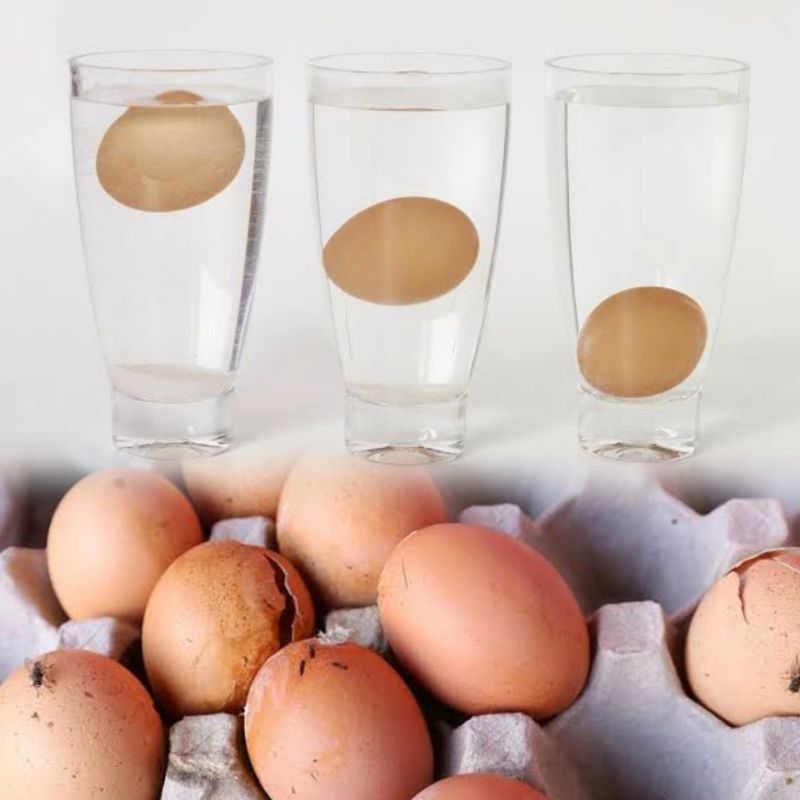
Have you ever been concerned about the freshness of eggs while using them in recipes? Eggs can be difficult to judge since their shells conceal the white and yolk conditions. But don’t worry, we’ll also give you some advice on reducing food waste associated with eggs and show you how to detect if an egg is fresh.
There is always a suggested use-by date on the egg package you buy at the grocery store. You might be surprised to hear that eggs are not allowed to be sold in France seven days prior to the minimum shelf life listed on the carton. You should be aware that the use-by date for eggs purchased directly from a henhouse is limited to a maximum of 28 days after the day of laying.
Don’t worry if the egg shells aren’t cracked or broken; you may keep them in the refrigerator for up to a month after the suggested use-by date, which is 58 days after they were laid. Appropriate storage procedures help prevent food waste, prevent mold from growing, and maintain freshness. Remember to keep your eggs chilled to avoid any potential health risks.
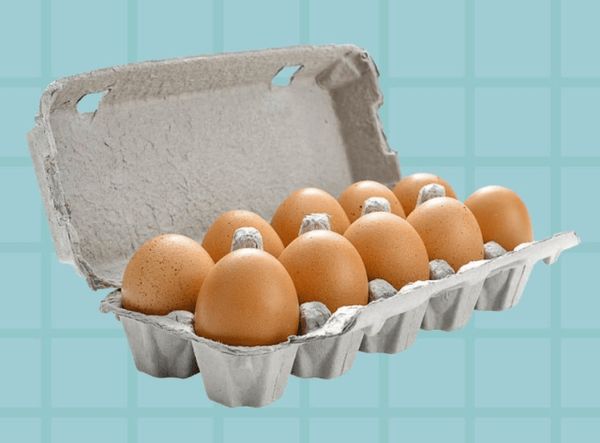
Like any other fresh commodity, spoiled eggs can smell terrible. If you want to conserve an egg for later use and notice that its expiration date has past, first give it a whiff. Oftentimes, spoiled eggs smell awful and should not be eaten since they may have lost their vitamins and changed in flavor. If the scent appeals to you, then proceed to quickly consume the egg by making an omelette, for example.
Using your eyes, you may also determine whether an egg has gone bad or is still edible. To reduce risks, give the shell a thorough inspection. If the shell appears powdery, sticky, cracked, or in any other doubtful state, mold may be present. Moreover, if, after being cracked into a bowl, the egg white or yolk shows any unusual discoloration, such blue, pink, black, or green.