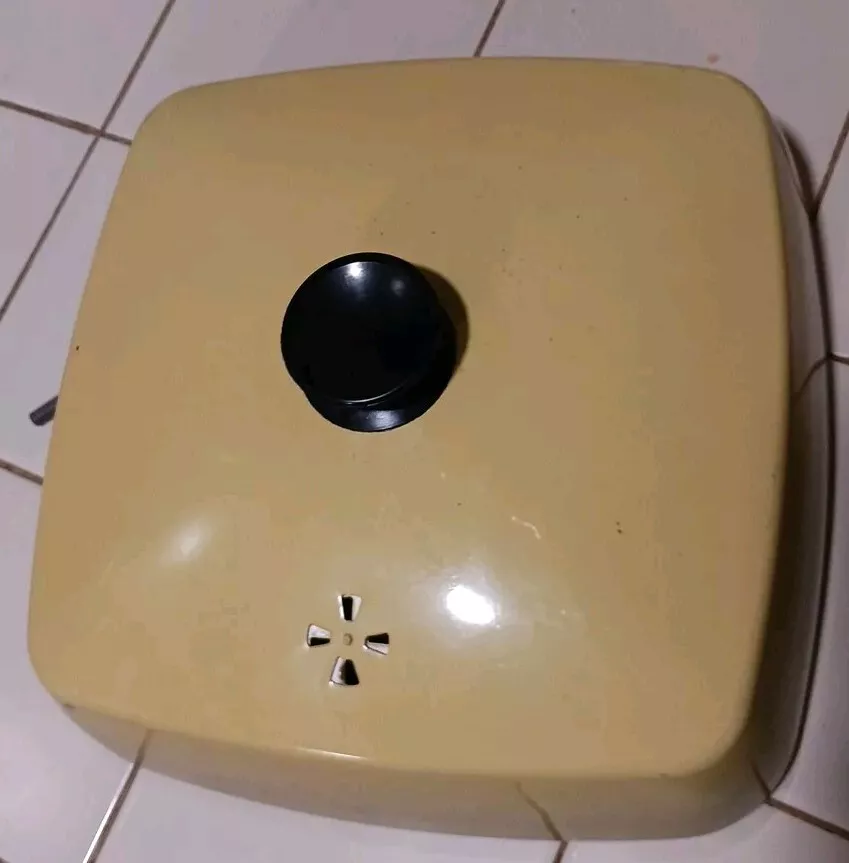
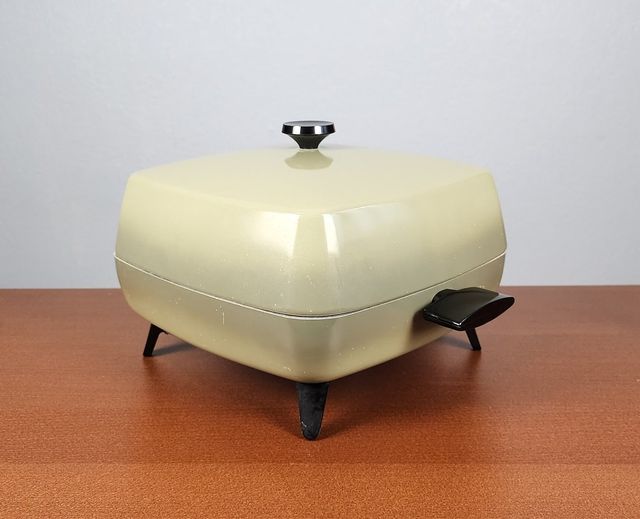
The vintage nonstick electric skillet, a kitchen staple in the middle of the 20th century, represents a significant development in culinary technology. These skillets not only revolutionized cooking techniques but also provided a new level of efficiency and ease to the preparation of daily meals.
Early Developments in Electric Cookware
Electric cooking appliances began to appear more frequently in the early 20th century. The electric skillet turned out to be a helpful tool since it combined the comforts of electric cooking with the familiarity of a regular pan. The original models were made of cast iron or aluminum and required manual operation.
The introduction of nonstick surfaces
The 1950s saw the introduction of nonstick coatings, especially Teflon. This innovation greatly reduced the need for cooking oils while also making cleaning much easier. Electric skillets quickly adopted this technology, giving home cooks a more practical and efficient choice. By the 1960s and 1970s, nonstick electric skillets were a common kitchen item in American homes.
The Usage of Nonstick Electric Skillets in Everyday Cooking
You may use old nonstick electric skillets for frying, baking, sautéing, and simmering. They were really flexible. They were ideal for many different recipes because of their exact temperature adjustments. These skillets were great for pancakes for breakfast or stir-fries for supper.
Serving buffets and having fun
Because of its mobility and consistent heating, the electric skillet was perfect for serving buffet-style at parties and family get-togethers. They were portable and easy to use right on the dinner table, keeping the food warm throughout the meal thanks to the detachable cables on various models.
Improved Cooking
The nonstick surface encouraged better cooking techniques by reducing the need for excessive cooking oil. This feature corresponded with the growing consciousness about diet and nutrition that attracted health-conscious consumers in the 1960s and 1970s.
Effects of the Legacy of Nonstick Electric Skillets on Culture
The vintage nonstick electric skillet evokes a period of inventive cooking and evolving household customs. In order to satisfy the needs of working parents and busy families, it symbolizes the post-war era’s emphasis on efficiency and ease.
Valuable Acquisition
These days, collectors and food enthusiasts cherish vintage nonstick electric skillets. They’ve received accolades for their classic design, sturdy construction, and practical utility. Models from well-known manufacturers like West Bend, Presto, and Sunbeam sometimes fetch high prices in vintage shops and online marketplaces.
Influence on Modern Cookware
The great popularity and success of vintage nonstick electric skillets paved the way for the development of contemporary electric cooking appliances. Even with their more advanced features, such improved nonstick coatings and digital temperature settings, contemporary electric skillets and griddles are nevertheless influenced by their vintage counterparts.
The vintage nonstick electric skillet is an illustration of one of the inventive kitchen gadgets from the middle of the 20th century. Its history, versatility, and lasting impact highlight the significant advancements in home cooking technology. Regardless of whether they are used for the main culinary purposes or gathered as sentimental mementos, these skillets are still treasured for their impact on modern cooking methods.


